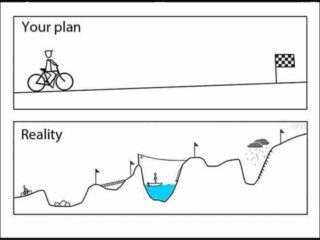
When does anything ever really go exactly as planned? Since the answer is almost never and so many variables are out of your control, it may be easy to think – why bother planning?
Unfortunately, even with diligent, proactive risk management, a crisis can happen at any time (as I’ve said in a previous blog). So, you need to prepare, anticipate and plan ahead – because it’s not a matter of if a crisis will occur, it’s a matter of when.
 Although it may seem counter-intuitive, one of the main components of your crisis management plan should be proactive, positive outreach NOW – before the crisis.
Enter PR. Proactive PR.
Even if you’re not looking to grow your company or you feel like PR is “tooting your own horn,” there are many benefits to proactive PR. Positive media and community exposure will help you tenfold down the road. The strongest crisis communication plans also proactively incorporate these PR components:
- Build the Image of Your Key Leaders – It is a major advantage for your company if people regard and respect your leaders as subject matter experts and good people. This is why it’s important for top management to appear occasionally in business media profiles and stories as well as at “good news events” such as philanthropic donations.
- Examine and Strengthen Key Relationships – with local and national media, government officials and the community that you serve. Strong existing relationships will be beneficial in getting the support you need in a crisis and re-building credibility following.
- Review Your Search and Social Media Status – Put the people and the processes in place to continually and proactively monitor your digital exposure – online news outlets, blogs, Facebook, Twitter, Instagram, YouTube, etc. This is the first place you may learn about the crisis at hand, and it allows you to respond quickly to misinformation and accusations. (Of course, having a robust and positive existing presence on all of these channels is a must for so many reasons (and that’s why we do what we do on the Porch).
“Do something today that your future self will thank you for.”
“If you fail to plan, you are planning to fail.” – Benjamin Franklin
We agree, Mr. Franklin!!!
 e for her brothers on how best to navigate it. And I couldn’t help but notice that it sounded a great deal like the branding advice we give here on




 ssly spread your message.
 My college professors have given me a different perspective in this matter, and have showed me the importance of utilizing strengths and coping with weaknesses. As an assignment for my business leadership course I read the book Strengths Finder 2.0, and took a “strengths” test that followed at the end of the book. This personality test reveals your top five strengths and suggests jobs that correlate with those strengths. There are many different ways to find your strengths, but the Strengths Finder 2.0 test revealed key insights to me that I had yet to think of.
 It’s certainly easier to stay positive on some days than others, and I am no expert on finding personal positivity. I am, however, well versed on the importance of staying positive when dealing with the media, especially when the reason the reporters are there is not ideal. The impact of negativity on your image and/or your company’s image is severe, and it can be incredibly difficult to rebound from