Monthly Archives: July 2026

No matter who you are or what you do — from a college intern to a CEO at a large company–we are all juggling multiple priorities. As summer winds down, many people find themselves prepping for the busy fall season. While you can’t magically eliminate everything on your to-do list, as amazing as that would be, you can make it feel more manageable. Here are five tips that have helped me stay organized when life gets busy.

1. Rank Your Priorities

Decide your priorities before  every emergency decides them for you. 

When deadlines pile up and your schedule feels overwhelming, it is often tempting to make everything your top priority. While this is an understandable reaction, trying to make everything equally important often leads to unnecessary stress and does not allow you to do your best work.

Instead, take a few minutes at the beginning of a new project, week, or season to identify where your priorities lie. This helps to shift your response from panicked to prepared when those priorities suddenly clash. 

2. Take the Time to Get Ahead

If you know a busy day, week, or month is coming, prepare for it in advance.

Getting ahead doesn’t take away any of your responsibilities, but it can make them feel less overwhelming in the moment. For me that usually means making a detailed to-do list with reminders on my phone, adding every meeting and event to my calendar, and setting reminders for important deadlines.

It can feel counter-intuitive in the moment because your first instinct is to just jump into doing everything or using time off to simply rest. However, investing a few minutes into preparation can save hours of stress later by helping you stay organized and avoid last-minute surprises.

3. Assign Time Limits to Your Tasks

When your to-do list feels endless, estimate how long each task will take and assign it a time limit. 

Choose one task, set a timer and give it your full attention. When the timer goes off, stop and reassess before moving on. 

This approach helps keep you focused on making meaningful progress and prevents multitasking. It also helps you use small pockets of free time more effectively. Instead of spending five minutes switching between projects, you can complete a quick task that moves you forward in your list.

4. Have an Organized System

Organization is about more than just making lists. It is about creating habits you can rely on to help you through your day. 

When life gets busy the small tasks can easily build up or slip through the cracks. Having a consistent system where you check back on tasks helps prevent that from happening. 

Whether it’s reading and clearing your inbox at the end of the day, checking tomorrow’s calendar reminders, or checking a weekly task list each Monday morning, small routines can make a big difference. A dependable system gives you the confidence that important details won’t be forgotten.

5. Make a List

Sometimes the simplest tools are the most effective.

This can also be a part of ranking your priorities, or can be a daily or weekly part of your routine. Whether you prefer a paper planner, a whiteboard, a digital calendar, or reminders on your phone, find a system that works for you and use it consistently. Writing down your tasks clears your mental clutter, helps you stay focused, and makes it much easier to keep track of everything during a busy season. 

Staying organized doesn’t mean you’ll never feel overwhelmed, but having a plan can make even your busiest seasons feel much more manageable. By identifying your priorities, creating reliable systems, and keeping an organized task list, you’ll be better equipped to handle whatever comes your way this fall.

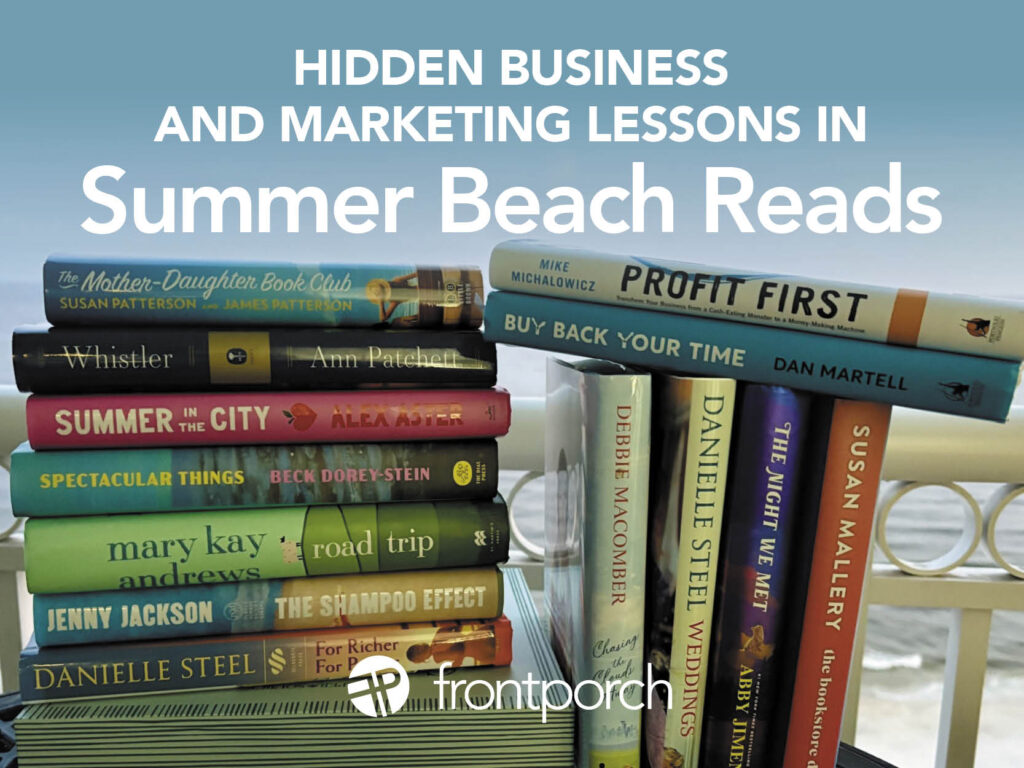
Those that have been reading our blog for a bit know that what I want on vacation is easy, immersive, escapist readings that let my brain float. Sound of the waves, sand in my feet and mind in a good book. Perfect vacay for me.

This year’s reading list did not disappoint — and, as always, a few provided unexpected sparks of inspiration.

2026 Summer Reading List

This year, I read a mix of fiction, family dynamics, romance, reinvention and two business books that hit harder than expected. My 2026 beach‑bag lineup included:

  • Spectacular Things — Beck Dorey‑Stein
  • Road Trip — Mary Kay Andrews
  • The Shampoo Effect — Jenny Jackson
  • For Richer For Poorer — Danielle Steel
  • Summer in the City — Alex Aster
  • Whistler — Ann Patchett
  • Mother‑Daughter Book Club — Susan & James Patterson
  • The Night We Met — Abby Jimenez
  • The Bookstore Diaries — Susan Mallery
  • Chase the Clouds Away — Debbie Macomber
  • Weddings — Danielle Steel
  • Buy Back Your Time — Dan Martell
  • Profit First — Mike Michalowicz

What You Can Get From Summer Reading

Beyond the obvious stress reduction, reading gives me:

Familiar settings, themes and characters that feel like home. This year’s list gave me everything from beach‑town nostalgia to complicated relationships to business strategy disguised as storytelling. Even when the plots were wildly different, there was always something that felt close to my own life.

Characters who make me say, “Yes, you go,” out loud. Every summer, at least one heroine earns a full‑volume cheer from my beach chair. This year, several did — whether they were navigating messy relationships, reinventing themselves, or simply choosing joy in the middle of chaos.

Storylines that blur into my work life and spark ideas I didn’t know I needed. Some books made me think about identity and reinvention (The Shampoo Effect, Summer in the City). Some reminded me how complicated leadership and decision‑making can be (Spectacular Things, Whistler). And a couple — Buy Back Your Time and Profit First — weren’t fiction at all but still delivered the kind of clarity that shows up in my work long after vacation ends.

Truth Be Told: Reading List Insights

All of these books are great. My favorite was Road Trip. The one I have read for the third time and need to read again is Buy Back Your Time.

Spectacular Things provided a ha moments that were not expected. It is better to ask questions than to give directions it reminded me. Also, it asked how do you want to leave the field after the game. Another thing hidden in the novel was: what adversity have you overcome or still grappling with on your quest to become a better player?

The reminders of a winner’s mentality were invaluable. Always be positive. Be poised under immense pressure. There is even more in there. Read the book, it’s so good.

Books as Blessings — Even the “Trashy” Ones

Reading expands vocabulary, reduces stress and boosts cognitive function. But it also does something else: it sparks ideas, reframes challenges and reminds us that inspiration can come from anywhere — even a beach read.

So cheers to the summer of 2026. It was one filled with sunshine, stories and unexpected personal and professional inspirations and learnings. Happy summer reading, y’all.


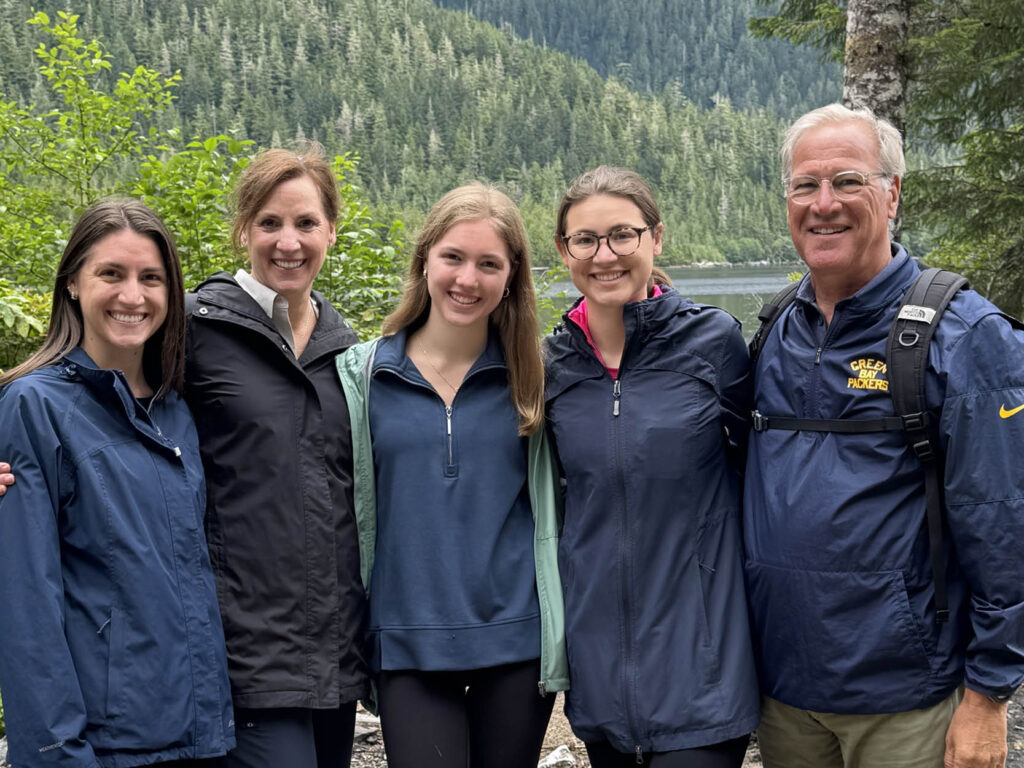
This summer, we’re once again welcoming high school interns from Ursuline: joining us first this summer is Sarah Muck. Sarah is a rising senior at Ursuline Academy in Dallas. She is interested in pursuing a business degree in college, potentially with a marketing focus. We love that! We also love paying it forward every summer by sharing the wonderful world of marketing with the next generation. As we usually do, we asked Sarah a few questions so our readers could get to know her a little better.

What do you think the biggest misconception about marketing is today?

I think a common misconception about marketing is that a brand’s reputation relies mainly on a marketer’s direct efforts. Instead, positive brand perception is built through intentional relationships between the brand and its consumers.

What is one of the biggest lessons you have learned so far in your life?

One of the biggest lessons I’ve learned is that it’s never too early to network. Building meaningful connections can be as simple as initiating a conversation in the hallway or inviting someone to sit with you at lunch.

If you could describe Sarah Muck in three words what would they be?

I would say balanced, goal-oriented and creative.

What do you think a good brand strategy should look like?

Good brand strategy starts with understanding your consumers. Every brand has their own unique voice and the key to effectively communicating that voice is for the marketer to see their brand through their consumers’ eyes.

Tell us about a major milestone so far in your life!

When I was a freshman at Ursuline, I got my first job at a local juice bar. Working a real-world job was one of the first “adult” experiences I had, and I’ve loved working there for the past three years.

What is a fun fact about you?

I have the best two older sisters!

We hope Sarah learns a little more about a possible future profession in our industry at Front Porch Marketing. We’re certainly enjoying working with her this summer!


Starting my first marketing internship has taught me so much in just a few weeks. While I still have a lot to learn, these are five lessons that have already changed the way I think about marketing—and they’ll stick with me long after this internship.

1. Consistency is Key

One of the biggest lessons I’ve learned is that consistency allows people to learn exactly what to expect from your organization. In order to succeed in marketing you have to deliver consistent branding because inconsistency weakens clients’ faith in your ability to deliver on your promises.

Consistency also makes it easier for clients to find the information they need. Something as simple as posting different event details across different platforms can create confusion. If someone has to check your Instagram for the date of an event, your website for the time, and your Facebook for the location, only the most dedicated clients will show up and your event will not have the impact you want it to. 

2. Know Your Core Values

This is something I have seen our team help our clients to define, and it is so important because your core values form the foundation of your brand strategy. Your values aren’t just words on an “About Us” page, they shape your brand, your messaging, your marketing, and every interaction people have with your organization. 

If everyone on your team– from the founder to the newest member– knows the core values of your organization they can present a united and, most importantly, consistent brand to clients. Better yet, you’ll more naturally attract people who share those same values.

3. Connection Builds Credibility

Another thing that has become clear is that your audience doesn’t just want to know what an organization does. Your audience wants to get to know the people behind the brand. 

Behind-the-scenes videos, team spotlights, polls, or even simple day-to-day moments allow people to connect with the people behind the companies or organizations. This is where social media is a powerful tool to gain viewers, demonstrate your core values, and build client trust.

4. Know Your Audience

In today’s world of algorithms tailored to each individual user, it is all too easy to assume that the same content will work everywhere. 

What performs well on LinkedIn is not necessarily what works on Instagram. Each platform has a different audience, tone, and expectations. Taking the time to understand where your audience spends their time can make your marketing much more effective.

5. Small Steps Lead to Big Results

Some projects can feel overwhelming when you’re only making small amounts of progress each day. Each small step gives you a road map to the next step. Over time, those small steps add up to meaningful results.

Looking back on my progress after a month, it is encouraging to see how much those daily tasks and little wins have added up. Progress rarely happens all at once and every small step moves you closer to your goals.

I’m grateful for everything I have learned so far, and excited to keep growing throughout this internship. I can’t wait to see what the next few months have in store!