Tag Archives: Branding

Branding Rocks!

Duh! Of course we are going to say that. It’s what we do. It’s what we are passionate about! So you have your logo. Sweet! You have a vision. Fantastic! You have beautiful photography. Terrific! But do you have a brand? Not quite.

At the core of every marketer is a storyteller. We love to tell stories about:

  • products
  • places
  • experiences
  • … well we don’t really need a list – we just like to tell stories!

Digital media has opened up the communication lines for marketers. In the ‘old days’ (as my children say) you had a story to tell about your company, product, place or experience but you had to pay mightily for that story to be shared. Now there are several public forums that you can utilize to tell your story, which is a MARKETING DREAM.

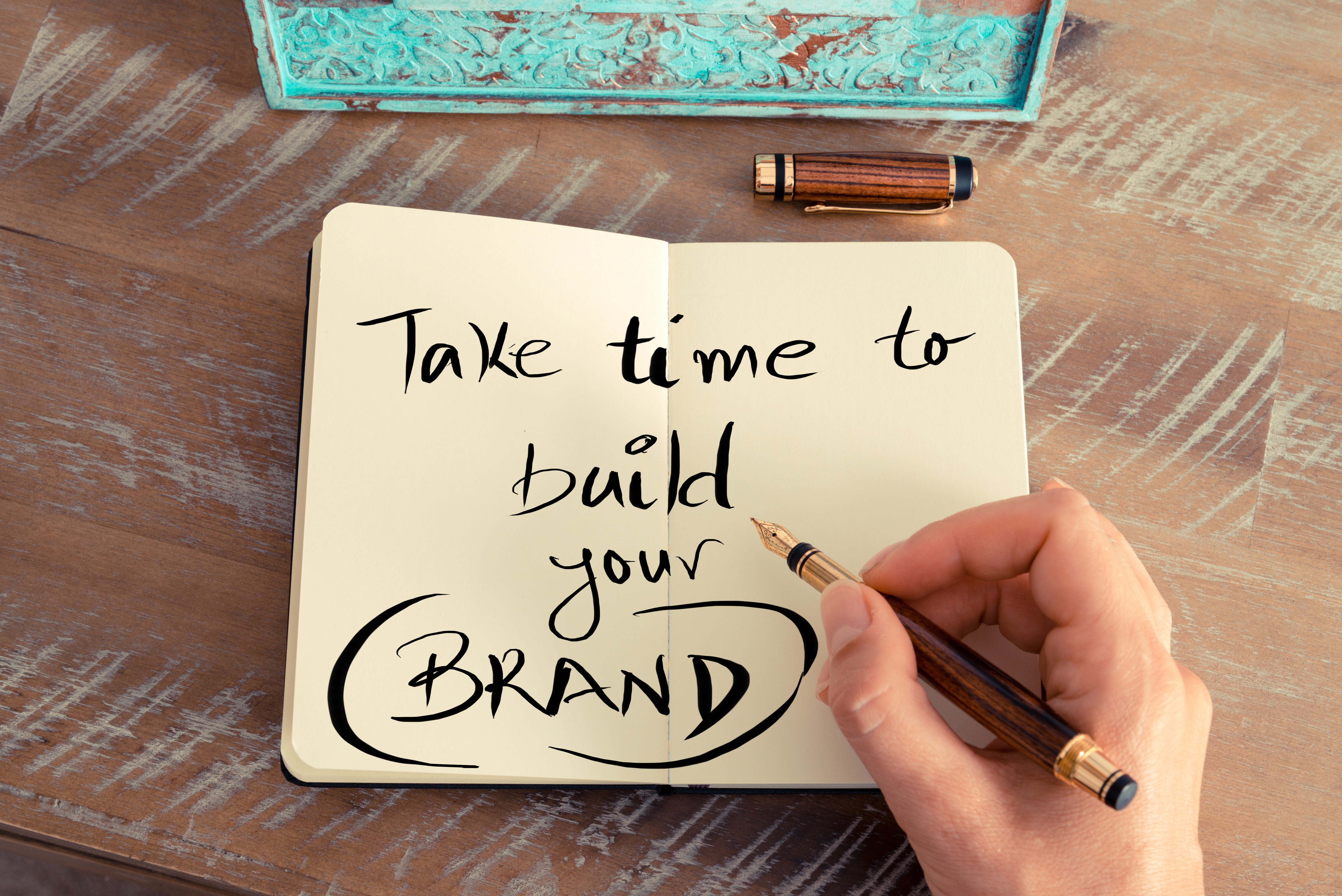
So what does this have to do with your brand? Your brand is your story and vice versa. Why is it important to have a BRAND strategy in addition to your marketing plan? Here’s 8 reasons (we could give you 80, but we will save some for porch conversations):

#1 Your story makes you uniquely you! No one else is the same, which DIFFERENTIATES you from your competition.

#2 Consistent branding translates into RECOGNITION.

#3 Your brand is a PROMISE to your customers, your team and to the marketplace.

#4 Brands create an EMOTIONAL CONNECTION with your customer.

shutterstock_364892567

#5 Branding creates TRUST with all audiences.

#6 An established brand provides BUSINESS VALUE.

#7 A compelling background, history or brand strategy will MOTIVATE your staff and provide DIRECTION.

#8 Branding can FOCUS and guide your marketing efforts, saving time and money.

Sounds pretty good, eh? So what are you waiting for? It’s time to start rockin’ YOUR brand strategy!


We all recently celebrated Thanksgiving, spending the day focusing on what we’re grateful for. But it shouldn’t end there. Gratitude is not a moment, not a day, not a week, but a way of life.

There are obvious things to feel grateful about – food, shelter, family, friends. But don’t stop there. Be mindful. What does being grateful really mean? Where did the feeling come from?

gratitude7

According to The Gratitude Experiment, focusing on gratefulness and expressing gratitude raises our level of well-being and happiness. In an experiment, a test group was divided into three, with one group directed to journal gratitude, one group directed to journal the things that irritated them most during the day and one group was allowed to choose their focus. Not surprisingly, the group focusing on gratitude had a much greater sense of well-being. Statistics show that cultivating an attitude of gratitude increases overall happiness by 5%.

Dr. Robert Emmons, professor of psychology at University of California, Davis is leading a research team to quantify the causes of gratitude and its effect on health and well-being. They feel strongly that it begins with children. If we can raise grateful children, we are way ahead as a society.

Our friends at The Gem also focus on gratitude as part of their recommended daily regimen. It has a place of honor in the daily GEM journal distributed during their “Day in the Life” series. In fact, it is part of the mentality surrounding their brand. As an element of integrative nutrition and holistic living, gratitude is near and dear to the heart.

There is always something vying for our attention. The holidays bring commitments and distractions, professional to-do lists are ever-growing, our culture of connectivity brings with it no shortage of dismal world news, anxiety over the economy and political positioning, and the responsibilities of our home lives loom large. But take a moment at the end of each day and reflect on at least a couple of things to be grateful for. Some days it will pour out. Some days, you’ll be lucky to be thankful for the roof over your head. With practice, it becomes easier.

As a member of the rockin’ team on the Porch, we are actively and mindfully grateful for our wonderful clients and the chance to have an impact on their business and grow with them.

What are you grateful for?


Think of the last few things that you bought, big or small—a new phone, a pair of yoga pants, a new car, a pair of shoes, even a food item. All of these products have one thing in common: the company you purchased them from is selling you a lifestyle.

lifestyleSo what is a lifestyle brand?

Webster defines a lifestyle as an individual’s whole way of living, and a brand as (a) an identifying mark or label (b) the make of a commodity or (c) a special kind.

Wikipedia’s says: A lifestyle brand is a company that markets its products or services to embody the interests, attitudes, and opinions of a group or a culture. Lifestyle brands seek to inspire, guide, and motivate people, with the goal of their products contributing to the definition of the consumer’s way of life. They often operate off an ideology, hoping to attract a relatively high number of people and ultimately becoming a recognized social phenomenon.

In Forbes article A Survival Guide For Symbolic And Lifestyle Brands, they point out “(Lifestyle Brands) deliver strong social benefits through which a consumer will be able to subconsciously answer the question, “when I buy this brand, the type of people I relate to are…” they create a sense of belonging or disrupt the status quo. So, Nike aligns people who want to push their limits. Club Med connects those who wish to communicate; The Body Shop, those who value nature.”

If you are a lifestyle brand or if you aspire to be a lifestyle brand, you must fully grasp the lifestyle your customer aspires to and you must reflect it in thought, word and deed. You need to clearly communicate that you embrace the same ideals as your customer, but also define your product.
Consumers have started referring to brands as if they have their own personalities. Have you found yourself saying “That doesn’t seem like them” or “That was off-brand”? Case in point: a brand whose red cup can wage a war on Christmas.

In today’s constant barrage of communication, people want transparency, authenticity, and honesty. They want to admire and trust the brands they bring into their life. To create a lifestyle brand, you must:

  1. Discover Your Brand: What do you want people to feel about your brand? Determine what lifestyle aspirations your brand fulfills, and communicate accordingly.
  2. Create your Brand: Clearly define your brand personality. Your identity needs to be holistic. What is your brand’s whole way of living?
  3. Communicate Your Brand {with confidence}. Be conversational. Our friends and family enhance our lives with their adventures and personalities. Consumers expect that from a lifestyle brand. Create experiences. Share your personality. Form connections. Express your personality on many different platforms.

“In designing a lifestyle brand, you have to know more than just designing clothes,” Tommy Hilfiger

Here on ‘The Porch we are making brands rock your lifestyle daily.


You’ve gotta have a plan. And when starting a new business, everyone knows that you need a strong business plan. But for some reason, many times business owners forget about a marketing plan, which is just as critical to the success of a business.

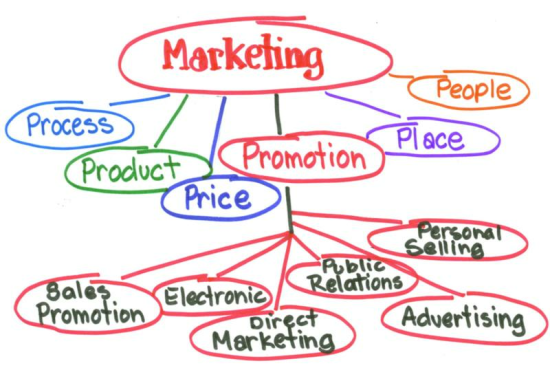
A marketing plan focuses on how you are going to get the customers you need to survive. It’s your plan of action – what you are going to be selling, who is going to buy it and how you are going to reach those potential customers and convert them to sales.

Here’s how to create a marketing plan that works:

Who are you? Define your company, the products or services you offer, and what sets you apart from the competition. Positioning your product requires a complete understanding of the market segment you are entering. You must know what your competitors are offering and what makes your product or service unique or a better value.

Include an overview of your company’s strengths, weaknesses, opportunities and threats. Strengths and weaknesses will be factors within the company while opportunities and threats are external factors.

MarketingPlan

Who is your target audience? Describe your prospective customer – this can be done in terms of demographics or by lifestyle. If you’re marketing B2B you may define your target audience by the type of business, size of the business, job title or any other factors that make them potential customers. It is important to know exactly who your target customer is in order to plan your marketing strategy.

What do you want to achieve? Write down a list of measurable goals.

Develop strategies and tactics. These are the guts of your plan! Focus on reaching prospective customers at all stages of your sales cycle, whether they are cold or warm prospects. Outline your primary marketing strategies, then include a variety of tactics you’ll use to reach prospects at any point in your sales cycle. This should be a combination of several tactics that can include social media, traditional print advertising, online advertising, blogs, customer events, loyalty programs and email marketing. It’s important to know which media your customers and potential customers will go to for information on the type of product or service you sell.

Remember, a great marketing strategy needs to be realistic and implemented consistently over time. Building brand awareness takes time and patience. If you need a guiding hand, we on the Porch can steer you in the right direction!


Friends, it may be time for a branding and marketing intervention: We love you. We value you. But sometimes, you need to recognize when it’s time to play in your own sandbox. branding and marketing

We say it all the time on The Porch, “Branding and marketing are more an art than a science,” and our rockin’ Front Porch Marketing Team has spent more than a combined 80 years honing this art form to make a difference in our client’s businesses.

But we can only make a difference if our clients let us.

Our best clients are passionate, excited about their work, and open to new ideas that will enable them to leap ahead. We tell our prospective clients that we work best when we are partners, not vendors, and are treated like a member of their internal team. We believe in direct conversation and diving in the strategy debate while getting our hands dirty.

So … in the spirit of direct conversation (which is a foundation on which The Porch was built), here are a few recent examples of when you, Ms./Mr. business owner, leader or department head, should rock away from the branding and marketing table … rock far, far away friends:

  1. You scribble your logo ideas down on paper and/or mock them up yourself on whatever design software du jour. Design software and a favorite font do not a creative director make. Our team of creative professionals work with our clients through a formalized branding process that crystallizes the brand’s vision and ensures that the brand puts itself out there in the best way possible.
  2. You recommend a CMS platform for your website because that is the platform you use to manage your child’s sports team and its schedule. We develop and re-design websites constantly for our clients and their brands. We know what works and what doesn’t. Trust us to make these decisions that will accomplish your business needs and goals.
  3. You are going to hire an intern or an admin to manage your social media. Both of those positions are vital to a company’s operations. But neither are qualified to take on something as important as social media. Why not go ahead and have your financial manager do it??? (See what I am trying to say here?)
  4. You call a half day meeting with your business consultant, VP of sales and VP of marketing because your VP of sales doesn’t like a showroom sign created by the marketing department. Give the power to the people and let sales and marketing handle their feud that has lasted longer than the Hatfields battled the McCoys.

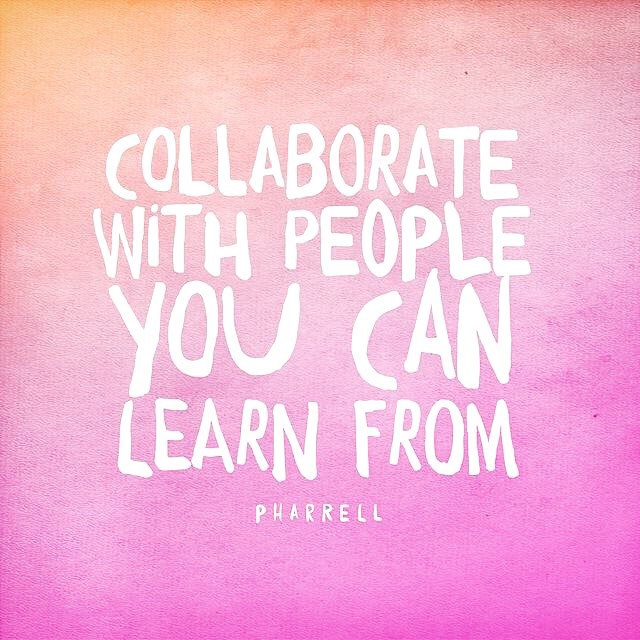
We believe collaboration is key. Bringing team members in from other departments for planning meetings and brainstorming sessions can add new perspective, create different ways of thinking and spark new ideas. Says Pharrell:

pharrell

Remember, however, we branding and marketing peeps like to work “in a room without a roof.” So let’s work together! We are fully vested in getting your business the desired outcome. After all, if you aren’t successful, neither are we.

Rock on friends.

Chief Rocker Julie Porter can be followed on Twitter and Instagram and so can her company. Follow Front Porch Marketing on Twitter by clicking here, like us on Facebook by clicking here and follow our LInkedIn company page and Instagram fun.


people-train-public-transportation-hurry-mediumYour brand’s reputation is among the most valuable assets your company has so how are you protecting your brand? It defines your company and helps it stand out from competitors.

As Warren Buffet said, “It takes 20 years to build a reputation, and five minutes to ruin it.”

This is especially true today with social media – what used to be a 24-hour media cycle is now a 24-second social media cycle.

Unfortunately, even with diligent, proactive risk management, a crisis can happen at any time. No company is immune to misconduct by employees, the sudden resignation or illness of a key leader, product recalls, accidental injuries/fatalities, natural disasters, etc. So, you need to prepare, anticipate and plan ahead – because it’s not a matter of if a crisis will occur, it’s a matter of when. The cost of a crisis to a company can be huge, and most crises require attention within the first 24 hours.

What can you do to prepare?

Create a crisis management plan to ensure a rapid and adequate response, maintain clear lines of reporting and communication and set rules for crisis termination. You must protect your brand.

Crisis management is NOT THE SAME as risk management. Risk management serves to minimalize and hopefully avoid crisis. Crisis management is actually dealing with a crisis.

To create a crisis management plan:

  • Research your company’s record
  • Identify all potential crises
  • Create and prepare your crisis team
  • Schedule media training sessions
  • Stage regular crisis readiness simulations
  • Assess and update crisis plans

Want to learn more?

Come hear Front Porch Marketing present on “Protecting Your Brand” at Danger Zone 2: Active Shooter Seminar presented by FBI Dallas Citizens Academy Alumni Association this Thursday, September 3, at the Charles W. Eisemann Center in Richardson, TX. The seminar is designed for individuals, business leaders, school teachers and administrators, church leaders and anyone seeking to gain knowledge should you ever encounter an active shooter in the workplace.

As a country, we are averaging one active shooter every three weeks. No location is immune from these events happening. Danger Zone is a great program with a proven track record of success that will greatly increase your chance to survive the ordeal.  For more information and tickets, click here.

A special shout out to our friend and advocate Rod Fullenwider at D&L Entertainment for including us in this event. We appreciate your continued support Rod!


We love our business and are thrilled by the predictions for expected global growth in video content. Take this statistic, for instance:

Experts indicate that video is the future of content marketing, and that trend is already in full swing. Nielsen claims 64% of marketers expect video marketing to dominate their strategies in the near future.

Our role is to develop clear, concise and engaging video stories for our clients. We know that in this age of information overload people want a quick visual message so they can move on.

In fact, even using the word “video” in an email subject line boosts open rates by 19% and click-through rates by 65%, as reported by Syndacast.

The icing on the cake?

Axxon Research reports seven in 10 folks view brands in a more positive light after watching interesting video content from them.

Videos are a great way to create an emotional connection with your audience and leave a lasting impact long after the video is over. And we love client stories with happy endings!


10551013_10153415338628840_6140010385793472549_nJohn Doty, owner of InMotion Imagery, is an Emmy Award winning director and editor who has now worked in broadcast television and video production for more than 25 years. His work has been recognized by, among others, the Telly Awards and The Press Club of Dallas.

Not only is he expert at creating the perfect script-to-screen visual communications tools for clients, but he also directed the construction of InMotion’s sound stages from blueprint to finish. He has led teams of industry experts in producing television programs, live national broadcasts and corporate Webcasts. He’s a member of the Dallas Producers Association.

Like InMotion Imagery on Facebook and follow on InstagramLinkedInTwitter and Vimeo as well.


Personal-Branding-BrandI love it when people ask me about our brand and how the name came to be. We enjoyed our branding process immensely; and we as a team love it when start-ups come to us with their business concept and ask us to help them name, brand and market it.

Just yesterday we were presenting logo options to a client who commented that they were impressed by our process for naming, preparing a creative brief and then developing logo concepts. The leadership team had no idea how much time, energy and thought went into the process and were curious whether we thought other start-ups went through a similar process.

Unfortunately, the answer is no.

But they should! Naming your brand is an important process and must be tackled in a diligent, thoughtful way. Choosing a strong name requires that it:

  1. Stands out from the competition (unless it’s more important to fit in)
  2. Communicates the business you’re in
  3. Reinforces your brand promise
  4. Communicates your company’s distinguishing characteristics
  5. Has long term viability
  6. Is easy to read
  7. Is easy to pronounce
  8. Is simple to spell
  9. Is short and concise
  10. Is memorable

Do the work on the front end to analyze your brand, your business, your competitors and your promise to ensure that your identity represents all that you want and need. You will save time, money and energy down the road if you start off right!


When was the last time you looked up at the sky and really enjoyed the sunshine, being in the moment.

Felt the breeze on your face. Found shapes in the clouds.

Sunflower close-upIf you stopped right now, went outside and looked up, how would you feel? What would you be thinking? Are you happy? Content?

Perhaps, like many of us, things are basically good, but you’re in a bit of a life rut. Same routine over and over, and you suddenly realize how quickly the years are slipping by. Or maybe things simply aren’t going the way you want. There’s a little too much rain on your parade, and it’s gotten you down.

We all feel this way at some time or another. In today’s busy society, no one is immune from getting swept up in the stampede of life. Or being occasionally trampled by it. So how do you break free?

One way, again, is to simply look up. It’s sunshine, folks!

Let me explain. The other day, I heard a client talking about an employee who wasn’t performing at her best. He noted, “All she needs is a little water and sunshine, and she’ll be great.”

That was an amazing observation, and it really struck home with me. Of course, he was talking about nourishment. Nourishment of a person based on who she is. The things that feed her soul. Things to help her grow and thrive and blossom!

Ok, I’m overdoing it a bit, but you get the idea.

Friends, what is your sunshine? What are the nutrients that will nourish the essence of who you are? What do you need in your core being to shine more brightly?

It’s easy to ask these questions but not always easy to answer. Try to discover the tiny inkling within that excites you. Something you love and are passionate about, deep down. Maybe it’s a hobby, like painting or gardening. Perhaps it’s philanthropic, like rescuing dogs or mission work. It could be a special career skill that you didn’t pursue in college. Something on your bucket list? Take a moment and really listen to your gut. What are you hungry for?

When you find it, FEED IT! Embrace it! Nurture it! And give it plenty of sunshine!

Before you know it, you’ll be following your own heart on your own journey instead of being fenced in, grazing with the herd. It may be new and different, and it may require taking a risk. But you are only you once.

Dare to be great!


Cheers! Your company has a clearly defined brand – brandinga simple, relevant customer promise that competitively gives you an edge. Check that off the list, right? Absolutely! But before you move on to other things, have you thought about your internal processes?

What must you do internally to execute the brand? To make it come alive? Become more than just a piece of paper? Ensure that your customers understand the brand as you intended?

Before you talk about your brand to the masses, you need to first look within to be sure you’re delivering on that brand throughout the organization. You don’t want to set an expectation that disappoints later! So consider this carefully – What are your customer touch points? Think about ALL of them, from where your store is located to how well the product performs or even how clean the front desk is when you walk in the door.

They’re all important.

Ergo, all companies need to identify and proactively manage their brand at all points of customer contact. Make a list of your contact points. Especially the less obvious ones like:

  • the way your phone is answered
  • how seamless your billing processes are for customers
  • what your employees say to others about their job
  • the attire of your salespeople
  • the quality of your packaging
  • the functionality and ease of navigating your website
  • your response time for customer questions

Basically, everything you say and do as an organization reflects on your brand. Look carefully at your internal processes. If you’re experiencing problems at a touch point, they need to be addressed – you don’t want a seemingly minor issue to be the string that unravels all the work you put into building your brand. Assess each item on your list, and then prioritize those you need to change.

The goal is to eliminate negative experiences and keep or build on areas in which you are strong. Strong in communicating the brand promise.

Often, we ask a client, “If you do everything right, what’s the one thing you want your target to remember about you? If we conducted research now, would they give that answer?”

This is the fun part, folks! Branding and marketing rocks! Every company has struggles, but strategic marketing built on a strong brand is the impetus for success!

Go team!

Julie Porter is the chief rocker at Front Porch Marketing. You can follow her, julie_porter, or her company, itsfrontporch, on Instagram; and Twitter @juliedporter01 or @itsfrontporch; and like us on Facebook at FrontPorchMktg.