Tag Archives: social media

Quick Background / Why Do I Care?

TikTok: based in China, in 2017 this $75 billion company made its way to the U.S. TikTok uses in-depth AI capabilities that track user data from the source (i.e. each user) via clicks, likes, and watches. What sets it apart? Its ability to use this data to predict what you will enjoy watching and then show you!

Snapchat: Popularized in 2011, Snapchat is a more informal way for users to communicate with their audience by posting “stories” that disappear after 24 hours.

You care because there is great potential for businesses to capitalize on these apps! The average user spends 45 minutes a day on TikTok, and it is the 3rd most downloaded app as of January 2020. Snapchat is also a gold mine, since the app has more than 100 million users who spend more than half an hour on the app daily.

How can I utilize them?
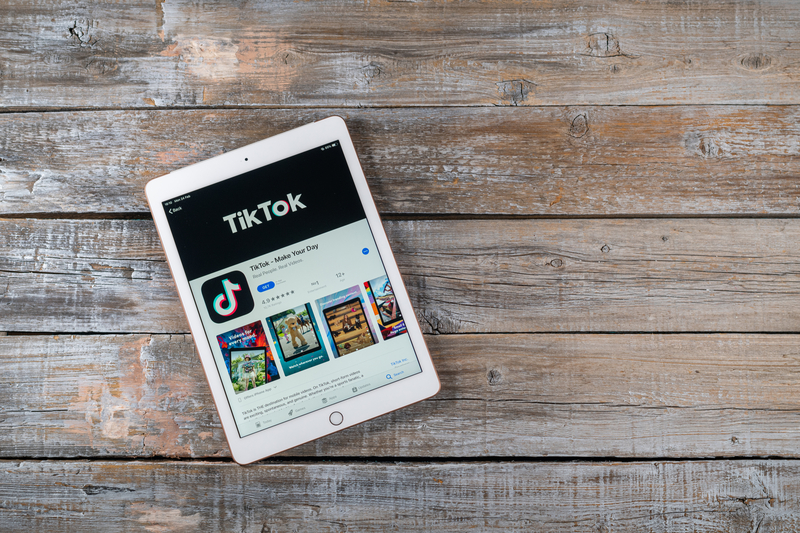
TikTok

TikTok is appropriate for both large and small firms because it is used for its “you gotta see this” content. Maybe you have a jokester at your firm, or someone who is good at making people laugh. Posting funny videos of office happenings allows consumers to connect and get to know you. TikTok is often utilized for meme-level comedy and relatable content, so companies big or small have an opportunity to show a different side of themselves on this app.

While the audience for Snapchat is geared more towards millennials, at least 14% of its audience is over 35. The app tends to be casual rather than focused on aesthetics (i.e, the opposite of Instagram). If your company travels or is robust in its day-to-day activities, you might want to consider adding Snapchat to your repertoire and share your story with a younger audience. Even if it is something as simple as your firm hosting an event or someone bringing their dog to work, these small things add value because they give people an inside look at your company.

What about older platforms?

This is not to say companies should abandon older platforms such as Facebook, but instead add to them. If your audience is older, you may want to hold off on TikTok and Snapchat as the users are younger than Facebook and Instagram.

Digital and creative agencies especially have to be on the cutting edge of new technologies, but who is to say any company can’t try something new? Whether you are promoting car insurance or the latest Apple watch, these fresh apps could potentially replace the hard sell with a lighter, more personalized approach to marketing.



Nonprofits work hard for little money and recognition. With few resources, you’re doing the best you can. But don’t think for a second that just because your organization is a nonprofit that you can’t have great marketing.

Remember, nonprofit is a tax status, not a case for support. Being a nonprofit alone is not a reason for anyone to give. Nonprofits must tell the public about the good they are doing and how people can help.

Here are 5 common nonprofit marketing mistakes and how to fix them:

Mistake #1: Not Participating in Social Media

The point of social media is to be social. Too many nonprofits post only about themselves, follow only a few accounts, do not respond to comments, and ask without giving in return.

This is the equivalent of meeting someone at a party who only talks about themselves, talks your ear off for 20 minutes, and then asks for $50.

Don’t be that guy.

Here is a good rule of thumb to remember when it comes to social content:

  • A third of your social content should promote your organization, converts readers and generates donations.
  • Devote a third of your social content to sharing ideas and stories from thought leaders in your industry or like-minded organizations.
  • A third of your social content should be fun stuff to show that there are human beings behind your social media handles.

Mistake #2: Forgetting Who Your Audience Is

Too often, organizations market to themselves. They only consider what appeals to them and not their supporters. Step outside of your perspective and think long and hard about your audience.

Are your supporters older, younger, parents, young professionals? Are they more likely to respond to digital appeals or direct mail? What do they care about the most – saving time, professional development, kids, the environment, education, social issues? Put yourself in your supporters’ shoes.

Mistake #3: Brand Inconsistency

A consistent brand is a strong brand. Brand consistency builds trust and increases loyalty.

Stretched logos, incorrect brand colors, spelling errors, pixelated photos – if they happen once or twice, it’s a simple mistake. If they happen all the time, it makes your organization look homespun at best, or unprofessional worst. And that can erode trust.

Mistake #4: Too Much Text

As they say, a picture is worth a thousand words. And a thousand words alone is, well, not something anyone wants to read.

Your supporters lead busy lives. Take a closer look at your content and figure out where you can tighten your copy.

Mistake #5: Boring Photography

Scott Kirkwood, former editor-in-chief at the National Parks Conservation Association magazine, put it best in a HOW Magazine article:

“…if you helped the nearest national park receive money for a new building, don’t show a photo of that building – it’s a building. Think about how that building will change the life of a visitor. Will the park be able to offer more bird-watching programs as a result? Great. Show a photo of a bird.”

Don’t think that just because your organization is a nonprofit that you can’t afford great photography. The latest smart phones can take great pictures and with a few tutorials, you could be well on your way to taking great photos.

Show photos of the people, animals, environments, etc. helped by your programs.

Show, don’t tell.


You’re trying to do good on a shoestring budget and a skeleton staff. We get it. Its understandable if this seems overwhelming. Great marketing is a constantly moving target that poses a challenge for many organizations.

If you want to talk about your organization’s marketing challenges, give us a call.

We love a challenge.


If I were to google you right now, what would I find? What impressions would I form after viewing your professional history, your social media presence (or lack thereof), and your photos? Would I want to do business with you? Hire you? Befriend you?

Wakeup call, people … you’re being watched. It’s time to take control of your personal brand.

Say what?

Whether or not you identify it as such, you have a personal brand. Branding used to be reserved for businesses, but with the mushrooming social media landscape and the growing gig economy, the time has come to embrace personal branding.

A personal brand is how you present yourself to the world. It’s what you want people to know — who you are, what you think, what you stand for, and what makes you unique. Oftentimes, it’s the first impression someone will make of you.

So … yeah, it’s important. A strong personal brand establishes you as a thought leader in your industry, promotes your company (and your career), differentiates you from those who share your space, and allows you to build trust with those who seek you out.

Know thyself

Developing your personal brand starts with taking an objective look in the mirror. How would you describe yourself personally? Professionally? How would others describe you? Identify a handful of adjectives that feel like spirit words and make them your litmus test for everything you publish, post, share, comment on, and participate in. 

Find your niche. Solidify what sets you apart. And then run with it. It won’t happen overnight. It requires communicating your mission to your audience, in a genuine way, consistently and for the long-term.

Speaking practically

  • Focus your branding. Share only what rings true. Posting just for the sake of posting is just noise.
  • Deliver value to your audience. Make sure what you’re sharing is relevant to those you are talking to.
  • Put the “social” in social media. Interact on the platforms where you live. Comment when you have something to say. Like when something rings true to you. Start a conversation.
  • Share yourself with your audience. Give them a glimpse into your life and your soul. People want to know what makes you tick.
  • Don’t live and die by your numbers. Having a gaggle of followers is fantastic, but are they your people? Are they engaging with you and furthering your brand?
  • Lastly, and most importantly, make sure the on-line version of you matches the in-person version of you. Nobody likes a stepford wife. Don’t get caught up in what you think you should be – be authentic. 

If you’re not sure how to get there, give us a ring. We can help you hone your personal brand and show you how to rock it!


Digital marketing continues to win this marketing season as digital marketing spending continues to rise. This is not new. In 2016, eMarketer.com projected digital spend would exceed television by as much as 36% by 2020. football fan

According to WebStrategies, the following are earning their spots on marketing budget rosters:

  • Email marketing – Email marketing continues to be the best player to generate ROI.
  • Social media marketing – A solid first-round pick. In that category, Facebook continues to hold the top spot and Instagram comes in 2nd.
  • Search and display marketing – Search and display marketing still earns the largest share of digital marketing budgets. In 2018, 78% of those surveyed indicated a plan to increase their Google Ads budget. Online display (banner ads, online video, etc.) takes the second share.
  • Live events – This is another competitor making a comeback. Two thirds of marketers plan to increase spending on live events in 2019. This is not a surprise as the digital world faces fierce competition and privacy challenges.
  • Video Marketing – The MVP for growth in digital marketing budgets goes to online video. Investment in this category is expected to more than double 2016 numbers by 2021.

With the rise of Facebook Live, live events and video are teaming up (think megachurches with pastors appearing on screens, political candidates announcing intentions via live video and the use of video as part of the in-home sales trend in the beauty and cosmetic categories).

Regardless of your industry, here are 4 tips for video marketing:

  1. Mind your audience. Take care to advertise to your target, not yourself.
  2. Don’t complain just for the sake of complaining. You can sell your brand without negativity.
  3. Keep it short and simple. The clock starts running as soon as your audience clicks on your link. Don’t fumble around. Have a solid plan and stick to it.
  4. Be clear in your play-calling. You are the quarterback for your brand. Run or pass, assist your audience by clearly telling them what you want them to do and how they can do it.

To score with any marketing campaign begin with the end in mind to increase your opportunity for success. There are still significant advantages to veteran players such as traditional media (now referred to as “offline”) in terms of building awareness, extending reach and driving your brand message.

It is important to find the right balance between online vs. offline spending. That ratio will vary from brand to brand. Let us be your marketing coach and manager. We can help you find that balance and manage that content.


In 2019, social media marketing is an essential tool for developing a connection with your audience. In some ways, social media marketing is similar to online dating. You are courting your audience with social media, and a connection won’t develop by being overly promotional with your posts.social media marketing

Successful social media marketing requires an investment of significant time (and resources). Your investment can pay dividends, but it requires planning. Developing strategies with clearly-identified goals and target audiences is key. But avoiding common faux pas is equally as important.

Seven of the (many!) dos and don’ts for social media marketing

  1. Be social. You have to put yourself out there, so don’t be nonexistent on social media. You can’t influence anyone if you have no profile.
  2. Be interesting. Know Your Audience. You want to pique and maintain viewers’ interest, so post varied content they will find interesting and valuable. Don’t make it all about you by only posting promotional content.
  3. Be genuine. If your brand is all about fun, your audience expects a certain playfulness to your social media. Don’t send mixed messages by being inconsistent in your marketing.
  4. Be available. Social media marketing is a 24/7 customer service opportunity, so engage often and consistently. Don’t ignore posted questions or concerns.
  5. Be a good listener. Always pay attention -and respond gratefully- to consumer feedback. Don’t ignore the negative feedback, because you can’t develop relationships by ignoring (or deleting) criticisms.
  6. Be Aware. Use hashtags and handles to attract interest, but don’t appear desperate by using too many. Keep it effective and efficient.

Be smart. Check your content for spelling, grammar and phrasing, and correct mistakes as soon as they’re caught. Don’t be insensitive in your phrasing or messaging.

We cannot say it enough – strategy is critical.

Content is key. Consistency is key.

Social media management is customer service and poor customer service will hurt your brand’s reputation.

Unlike in dating, it is a good idea to outsource social media duties. Those of us with the experience and knowledge can create and implement social media marketing strategies that follow all the rules.

Give us a call to help influence your audience to swipe right on your brand’s social media marketing!


“One of the greatest rock songs ever written is ‘Stairway to Heaven’ [by Led Zeppelin]. ‘Yes, there are two paths you can go by, but in the long run, there’s still time to change the road you’re on.’ So, whatever’s wrong, whatever’s not working out, whatever you’re not happy with – in yourself or a situation – take the initiative and fix it.” – Shaun Breidbart, comedian and executive director, The Ivy League of Comedy

As you choreograph your brand’s 2019 marketing plans, press pause if the same old song and dance is on repeat – particularly in the following four areas. A remix (and the addition of instrumental help) may be your brand’s ticket to achieving rock star status.

1. “Let it Go.” Turn Over Control of Social Media.

Time is money. Social media marketing isn’t just about increasing sales. It is storytelling. It is about consistent connection with your target audience. For social media to truly boost your brand, dedicated time to engage with your audience regularly – in real time – is crucial. You can’t press pause for vacations, trade shows or weekends.

Mistakes are costly. Social media management is customer service. In the absence of a solid social media strategy – and someone experienced to execute it – mistakes are likely. Poor customer service leads consumers to give brands the freeze-out.

The person/company managing your brand’s social media is its agent, tour manager and promoter all rolled into one. Outsourcing those managerial duties gains you an experienced professional who knows the ins and outs of social media.  This frees you up to focus on other areas of your performance.

  1. “What are You Waiting For?” Take the marketing plan off the back burner.

Leaders must understand the importance of brand marketing. As we’ve said before, we love partnering with business leaders on single release initiatives. But to avoid being a one-hit wonder, a brand needs a solid marketing plan to complement their strategic plan.

If the creation or implementation of a marketing plan is left “Standing Outside the Fire” you will have no plan. If you have no plan, you will have no direction. Without direction you won’t have consistency – leaving your brand running “Against the Wind” to build consumer trust.

  1. “Breakaway.” Transform garage band marketing to unique, memorable content.

Having a website is great, but customers believe “What You Get Is What You See.” Are you getting the veto vote because your marketing is lacking? How do you look when going up against competition? Are potential clients trying unsuccessfully to validate you?

Bands wanting to become famous must promote themselves to make the right connections to boost their profile. Likewise, your marketing must make meaningful connections to your brand. You can bang those drums “All Night Long” but that alone won’t help you advance. You must have someone in your corner to successfully influence the interest of others.

  1. “Shake It Off.” Say Goodbye to Gmail.

Excellent email communication is now a required piece of good customer service. Here are 3 reasons you should say goodbye to Gmail:

  • Your email address and content represent ‘how you look’ in the online world. Having a business email address with your company’s domain name is judged as professional. Business emails sent through Gmail raise doubts about your credibility.
  • An email account contains confidential business information. Using Gmail does not afford you the luxury of controlling whether employees utilize that information appropriately.
  • Gmail does not allow you to integrate your brand’s logo and colors to your email messages to make them more consistent and memorable. This renders it ineffective as a marketing tool.

You are “The Leader of the Band.” No one knows your brand better than you. It is ultimately up to you to determine your vision and whether your current track is helping that vision materialize. We are here to help you rock!


Over the weekend, a friend sent me some screenshots from the Instagram account of an event we are both familiar with. “HAVE YOU SEEN THESE???” she said. The series of posts featured a scantily clad woman and her friends promoting the event. Slightly confounded by the choice, I took a quick visit to her Instagram page. She had a gaggle of followers, but no real connection to the audience or the event itself, and unfortunately, it didn’t play well.

The idea of using a social media influencer was not a bad one. Influencer marketing is on the rise – Google alone saw a 325% increase in “influencer marketing” searches last year. It’s based on the practice of using influencers in your niche to create and distribute relevant content and share it in an authentic way. It can be a fantastic way to find and reach your people.

However, influencer marketing is a wasted exercise (and investment!) if you aren’t using the right influencers. And while it’s tempting to use metrics like number of followers as a measure of influence, it’s important to take a closer, more comprehensive look at a potential ambassador before you ask them to promote your brand.

Fit

How relevant is the influencer to what you do? How aligned is their content with your messaging? The best partnerships are natural fits – their audience must believe that the endorsement is genuine and your audience must be able to relate to them.

Engagement

Is the influencer engaging with their followers in a meaningful way? Or are their pages just a collection of selfies? If people aren’t commenting and interacting with the person, keep looking. Your audience will get bored with someone who is just skin deep.

Reach

Reach is certainly a valid consideration, so take a look at traffic and followers. But ask yourself who they are reaching. Is it your target audience? Reach is irrelevant if the influencer isn’t reaching the right people.

Authenticity

Influencers must be viewed as authentic and genuine. Is this person partnered with too many sponsors? If so, they will not appear trustworthy.

When chosen thoughtfully, an Influencer partnership is one of the best ways to build your brand online and raise awareness among your target audience. Need some help choosing the right influencer? We can help!


To be influential, one must hold the power to determine, guide and/or impact the decisions and perceptions of others. When applied to marketing, the goal is advocacy. “Influencer marketing is getting others to share your story, generate interest and make your case.” ~ Ardath Albee

Influencer marketing is a marketing strategy focused on capitalizing on the power of people (influencers or brand ambassadors) to advocate for your brand.influencer marketing

“Never mistake the power of influence.” ~ Jim Rohn

By utilizing influencer marketing, your benefits are solid. You gain access to a pre-established, receptive audience which already has a built-in level of trust with the brand ambassador. This helps build credibility. You also get additional help creating content. This content meets your target’s needs. Know your content and message are getting out in the right way, to the right people at the right time.

Is influencer marketing right for you? That depends on what you’re trying to influence (see what we did there, friends?). Know your business and marketing goals, audience, strategies, tactics and measurement. These help determine if influencer marketing is worth the considerable amount of time it can take.

Mapping out an influencer marketing strategy up front can help you minimize the time it will cost you and maximize your results.

Four Keys to a Successful Influencer Marketing Plan

  1. Know Your Audience. Make sure you are spreading your message to the (targeted) audience you need to see it, and in the places they are most likely to see it.
  2. Know Your Goals. Make sure you have set, measurable objectives. Otherwise, it will be impossible to measure your success.
  3. Know Your Ambassadors. The most powerful tool influencers bring to the table is the foundation of trust their audience has in them. This allows the influencer to authentically advocate your brand to your target. It is critical we don’t confuse influence with popularity. TIME does not grant their annual 25 Most Influential People on the Internet influential status based upon the number of followers they have on social media. Instead, they “evaluated contenders by looking at their global impact on social media and their overall ability to drive news.”
  4. Know Your Space. Influencer marketing is not limited to social media platforms. The places where the people in your audience are hanging online (if they aren’t on your site) are key to know as those places are influencers. Depending on your audience, you may have better results through specific bloggers’ websites over Instagram (or vice versa).

YOU are your brand’s biggest ambassador. However, when done successfully, having others advocate for you is powerful. Influencer marketing can help you in cultivating the growth you want for your brand.


The power of social media platforms has skyrocketed.  Social media is now an essential part of building a professional career, a way to stay on top of the latest trends, and connect with companies.

The power of social media platforms has skyrocketed.

Here are three popular social media platforms that can build your career.

LinkedIn

LinkedIn is considered to be the top online source for accessing job recruiters and managing a professional social media reputation. Most professionals use the network to keep in touch with their current network.

But, you can also use LinkedIn to connect with who you want to know. Look up what LinkedIn groups they are part of and request to join those groups. Raise your visibility by contributing to group discussions.

Twitter

Twitter is the online capital of instant and direct communication. It’s a great platform to promote your professional brand expertise.

Follow industry influencers on Twitter.  Observe the topics and trends they are talking about. This can serve as a jumping off point for online and, potentially, in-person connection.

Instagram

Instagram is one of the best platforms to show off your digital savvy. With visually pleasing content, you can display who you are personally and professionally.

Spend time looking through a company’s Instagram account. Note how they are engaging with audiences on the platform. This can create unique ideas for how you can find opportunities and openings.


Keep in mind that building your career through social media is an art, not a science. Pick and choose platforms that your audience connects with best.


How brand ambassadors are re-defining influencer marketing.


In today’s market, college students hold a considerable (and growing) amount of purchasing power. How does a brand target these highly-coveted consumers? Create brand ambassadors.

What is a Brand Ambassador?

Brand ambassadors are a component of influencer marketing.  Typically, they are employed to promote a company’s products and brand personality in their communities. Whether this is in-person or through social media, these ambassadors are generating valuable word-of-mouth impressions. Per research published on Invesp, word-of-mouth impressions create 500 percent more sales than paid media impressions. Nearly 90 percent of consumers report that they are more likely to give their hard-earned cash to a brand recommended by a friend.

Ambassadors are becoming increasingly prevalent, especially on social media platforms, such as Instagram.  Typically, an ambassador will post a photo featuring a product sent to them by a company. Ambassadors often explain the product and brand in the photo’s caption. They also include a special discount code for their followers to apply to online purchases.

College students - a brand's secret weapon?

Photo by Jens Johnsson on Unsplash

Brands on Campus: Why They Work

Influencer marketing is also common on college campuses.  I have seen ambassadors for companies such as Red Bull, Kind Bar and Bumble at UT Austin. They understand the immense purchasing power of students, especially due to mobile purchasing, and want to reach them in as many ways as possible. Brand reps often give away swag, free products, and sponsor campus events.

Millennials are interested in building their online presence through social media.  They are willing to feature exciting products for companies with little in return. Though ambassadors are not paid, there are many perks to their ‘job’. These include free products, access to brand-sponsored events and networking opportunities throughout the industry.

The True Value of Ambassadors

Brand ambassadors have proven valuable to the companies they represent as well. They increase a company’s social presence by constant content generation. They also provide consumer feedback, personally and from their peers. Companies value this insight from their most-coveted target market.


When I return to school in the fall, I expect to see many brand ambassadors on campus. Some of my favorite past examples include when Kind Bar gave students free breakfast bars during finals week. Express ambassadors, or students part of ‘Express U’, set up tables on campus to showcase the clothing company’s newest products.

I can’t wait to see how brands show up on campus this school year!