Author Archives: Riley Fry

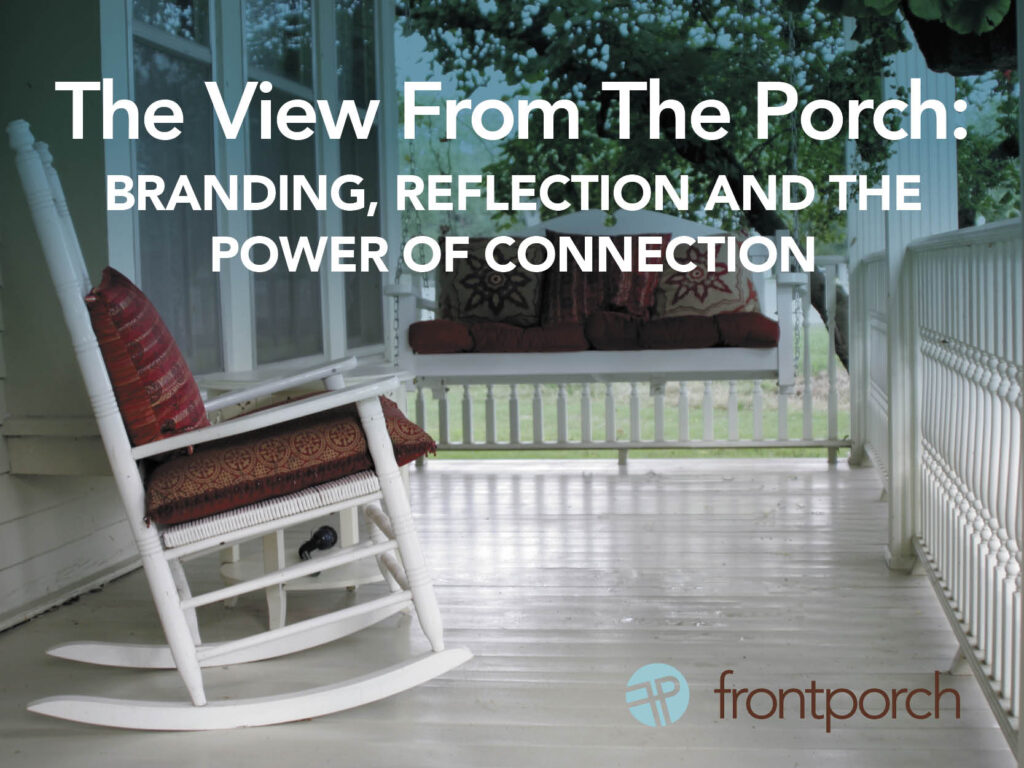
Stepping onto the “Front Porch” for the first time, I knew I was entering a space dedicated to storytelling and strategy. But as I look back on my internship, I realize that the most impactful lessons didn’t come from a textbook; they came from watching how brands live and breathe in the real world. As well as personal branding and connection.

Marketing isn’t just about the “what” it’s about the “who” and the “why.” Reflecting on my time here, three things stand out as the foundation of everything I’ve learned: the intentionality of branding, the depth of brand loyalty, and the necessity of knowing your audience. 

Branding: More Than Just a Logo 

During my time at Front Porch, I’ve seen firsthand that a brand is a promise. It’s the consistent thread that runs through every social media post, every email, and every client interaction. A brand isn’t a static image; it is a living reputation. 

I’ve learned that successful branding requires: 

  • Vulnerability: Being honest about a brand’s journey. 
  • Consistency: Delivering the same message across every touchpoint. 
  • Clarity: Knowing exactly what strengths and weaknesses you solve for your client. 

When a brand is built with intention, it stops being a service and starts being a solution.

The Weight of Branding and Loyalty 

We often talk about “getting” customers, but my internship taught me the importance of “keeping” them. Brand loyalty is the difference between a one-time transaction and a lifelong advocate. I’ve observed that the most successful clients we work with are those who don’t take their community for granted. 

Loyalty is earned in the quiet moments: when a brand responds to a difficult situation with grace, or when they choose quality over a quick fix. During my time here at Front Porch, I’ve realized that people don’t just stay loyal to a product; they stay loyal to how a brand makes them feel. When you stay true to your brand promise, your audience rewards you with the most valuable currency in marketing: trust. 

The Art of Connection to your Audience 

If branding is the “voice,” then the audience is the “listener.” One of my biggest takeaways from Front Porch is that you cannot speak effectively if you haven’t first listened. 

True audience connection involves: 

  • Data with Soul: Looking beyond the numbers to see the people behind the clicks. 
  • Empathy: Understanding the daily challenges and joys of the consumer. 
  • Evolution: Recognizing that as your audience grows and changes, your strategy must as well. 

Marketing is a two-way conversation. My internship here at Front Porch has shown me that the “lucky” brands are just the ones that have done the hard work of truly understanding the person on the other side of the screen. Personal branding needs the priority of connection and loyalty.

Final Reflections on Branding and Connection 

As I wrap up this chapter, I’m leaving with a new perspective on how businesses connect with the world. Authentic marketing doesn’t shout at the crowd; it speaks to the individual. 

The “Front Porch” philosophy isn’t just about business; it’s about building a space where communication is genuine with branding and connection to your audience. These are the lessons that will guide me long after I’ve left the porch. 

The digital marketing world is a crowded space, but brand loyalty is always a priority. Between flashy social media ads and endless influencer “must-haves,” consumers are constantly being told what to buy. But today’s shoppers have an internal authenticity filter. They can tell the difference between a brand that truly shares their value and one that is just wearing a green hat for the day. 

Marketing isn’t about finding a “lucky” viral moment. It’s about building a brand foundation that stays solid long after the festivities are over. 

Brand Loyalty is the Real Treasure 

Your core values shouldn’t just be a decorative clover. They need to be the roots: 

  • Product quality 
  • Customer transparency 
  • Social responsibility 
  • Community engagement 
  • Long-term vision 

When a company uses values as a temporary costume of brand loyalty, people notice the inconsistency. Think about your favorite local store. If you love them because they support “local craft,” but they suddenly start sourcing cheap, low-quality materials to save money, the charm disappears. That disconnect doesn’t just lose you a sale; it loses you a supporter. 

The Test of the Rainbow in Your Brand

Todays consumers don’t just buy “stuff.” They buy an identity. They want to support brands that act as a mirror of who they are and what they care about. 

The real test of a brand isn’t how it acts when things are easy. It’s what happens when the “luck” runs out. When faced with a supply chain crisis, public mistake, or another business challenge, a company has two paths: 

  • Take the shortcut to protect this month’s profit. 
  • Take the long road that stays true to their brand promise. 

The brands that choose the long road are the ones that build a loyal community. When a company sticks to its word even when its the longer or more expensive route, consumers realize those values weren’t just a public relations stunt, but they were real – authentic and true to the brand. 

Marketing That Grows Brand Loyalty

Great marketing shouldn’t be a separate department from your mission. It should be the voice of that mission. 

When your brand values are non-negotiable: 

  • Your ads feel like a conversation. 
  • Your brand voice sounds genuine. 
  • Your customers become your best advocates. 

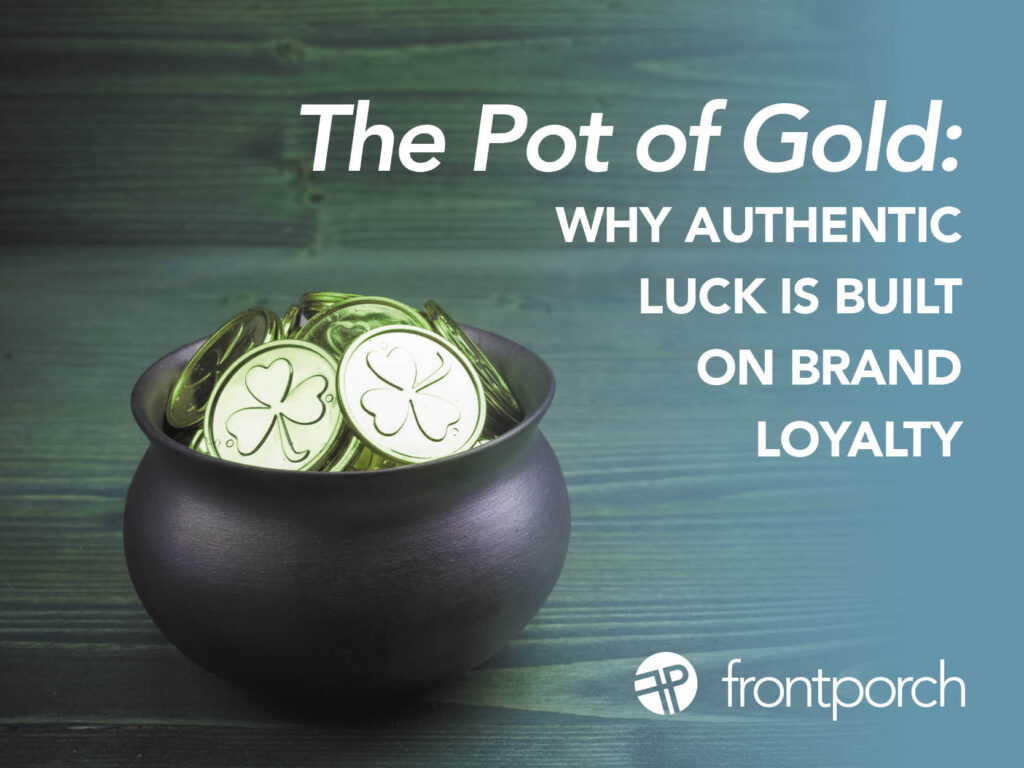
In a world full of noise, being authentic is your biggest advantage. The brands that lead with their heart and stand their ground are the ones that find the real pot of gold: long-term, unbreakable trust and brand loyalty. 


What are the marketing trends to look for in 2026? Every new year brings fresh predictions, buzzwords, and strategies that can make marketing feel overwhelming. As algorithms continue to change, often we shift and adjust (or panic about Google’s new rule). However, the reality is that the strongest marketing trends are not about chasing what is new. Instead, trends focus on adapting what already works in smarter and more intentional ways. 

As we move into 2026, we see marketing becoming more human, more strategic, and more focused on genuine connections. Here are the key marketing trends to watch and lean into this year (if you are curious about 2025 trends, we wrote about those too). 

Authentic Content Over Perfection 

Overly polished visuals are losing their edge. Today’s audiences and clients want authentic content, not sales-driven or staged. In fact, authenticity isn’t just preferred; it is expected. 

This can look like:  

  • Behind-the-scenes moments 
  • Content that prioritizes connection over aesthetics 
  • Casual, conversational captions 

People are more likely to engage with content that feels genuine and relatable rather than overly produced.

Short-Form Video Will Remain a Marketing Trend in 2026 

Short-form videos aren’t going anywhere. That said the marketing trends to watch in 2026 depend less on what you post and more on why and where you’re posting it. 

Specifically, high-performing video content focuses on: 

  • Education, storytelling or quick insights 
  • Consistency rather than going viral 
  • Repurposing content across platforms 
  • Reaching audience where they already spend time 

Brands need to prioritize intentional video content that aligns with their values and speaks directly to their audience. directly to their audience. 

Personalized Marketing Over Generic Marketing

Generic messaging has become easier than ever to scroll past. In the marketing trend for 2026, clients expect content that feels tailored to their needs and interests. 

We create these opportunities by: 

  • Listening to our clients 
  • Creating marketing plans  
  • Prioritize personalization over generic marketing strategy  

When audiences feel seen and understood, trust naturally follows. Personalization not only builds stronger relationships but also drives stronger results. ships but also drives stronger results. e long run. Personalization not only builds stronger relationships but also drives stronger results. 

Overall, marketing trends in 2026 are less about doing more but about doing things better. Authenticity, personalization, strategy, and consistency are shaping how brands and clients connect with their audiences in meaningful ways. 

Although trends will continue to evolve, the foundation remains the same — we continue to focus on understanding our audience, providing value and showing up with purpose. When marketing is rooted in connection rather than pressure to chase what’s new and shiny, it becomes not only more meaningful but also far more successful. 


We’ve all been there staring at a blank content calendar wondering what on earth to post next. Social media moves fast, and staying consistent can feel overwhelming. But here’s the important truth: you don’t need a big idea to show up online. You just need to know where to look when inspiration runs dry and what to post when you have nothing to post. 

As marketers, it’s our job to turn even the simplest moments into valuable, scroll-stopping content. Creativity isn’t always spontaneous. It’s built from reliable strategies you can pull from anytime. 

1. Repurpose What Already Works 

One of the most overlooked content strategies is simply revisiting your existing work
Your old posts, blogs, client questions, or even past presentations can become new content with a fresh angle. 

• Turning a long blog into a short tip 
• Reposting a high-performing graphic with updated context 
• Sharing a “throwback” post you still use today.  

Repurposing gives proven ideas new life and saves you time when you’re drained and don’t know what to post. 

2. Share Micro-Wins or Micro-Lessons with your posts 

You don’t need a huge story to offer value. Especially when you don’t know what to post. Small moments can be just as powerful. A simple observation, a quick mistake you learned from, or a recent client insight can spark a genuine connection. 

• “One thing I learned this week…” 
• “A mistake we used to make (and how we fixed it)” 
• “A question clients keep asking us lately…” 

These micro-stories feel authentic, human, and relatable — especially on days when you don’t have a bigger narrative to tell. 

3. Show the Process, Not Just the Outcome 

When you feel stuck, look at what’s already happening around you. Behind-the-scenes content builds trust because it shows the real work behind the brand. 

You can share: 
• A brainstorming snapshot 
• A before-and-after moment 
• Tools your team uses daily 
• A peek at how a project comes together 

People connect with processes because they reveal the side of your brand that isn’t polished or staged—it’s real. 

Final Thoughts on “Posting When You Have Nothing to Post” 

Creative ruts happen to everyone, but they don’t have to break your consistency. Repurposing ideas, sharing small lessons, and showing your process are all strategic ways to keep your audience engaged even when inspiration is low. 

There are real, intentional methods behind staying visible online, especially during slow weeks. By focusing on value, authenticity, and relatability, you can create content that resonates, even when you feel like you have nothing to say.