Tag Archives: Gen Z

Just a quick scroll through TikTok or Instagram reveals that marketing does not look the same as it did 5 years ago. Highly polished advertisements and endorsements from the biggest celebrities are being replaced by authentic voices and relatable videos as Gen Z steps into the role of marketing director and business owner. Rather than simply trying to sell products using traditional advertising, Gen Z is using marketing to build communities around brands.

Authentic Marketing Content

One of the biggest shifts seen in marketing over the past few years has been the move away from scripted, perfectly curated advertisements and towards more relatable, behind-the-scenes content. Consumers enjoy seeing the people behind a brand instead of only the products being promoted

Rather than creating studio-quality commercials, businesses are posting “office vlogs,” day in the life videos, and other forms of authentic short form content. This casual approach builds trust and gives customers a glimpse into the real business. As a result, audiences are responding more positively to relatable content than to traditional advertising.

Prioritizing Social Media

Many Gen Z run businesses rely on short-form content such as Instagram Reels, YouTube Shorts, and TikToks to reach customers rather than investing heavily in expensive advertisements and commercials.

These platforms allow businesses to reach hundreds of thousands of viewers organically through engaging content. Successful brands also interact with their audiences by replying to comments, participating in trends, and engaging with creators in their niche. Rather than simply posting content, businesses are becoming active members of their online communities.

Founder Features as Marketing

Consumers don’t just want to know what a company sells, they want to know who’s behind it. For that reason, many founders have become the face of their own brands. Whether they are explaining the origins of their company, giving a warehouse tour, or filming everyday moments, founder-led content allows customers to build a personal connection with the business while making the founder appear more approachable.

This strategy is not entirely new. Dave Thomas became well known for appearing in Wendy’s commercials, helping customers associate a real person with the brand. Small businesses follow a similar approach by allowing founders to share their story, explain how the company began, and communicate why their mission matters. People naturally connect more with a friendly face than a logo alone.

Successful Gen Z marketing teams understand that social media is quickly changing. Rather than sticking to the same content format, brands are participating in trending sounds, viral jokes, and popular conversations. Brands often comment on trending videos, reference pop culture moments, and create content that feels organic to each platform.

The goal is to naturally integrate their brand into consumers’ daily social media experience. When done well, brands become a part of the consumers’ feeds instead of interrupting them with traditional advertisements.

Fast and Casual Voice

Today’s consumers want brands to feel approachable. Instead of using formal, corporate messaging, many Gen Z businesses communicate with consumers the same way they would text a friend.

Emojis, internet slang, and playful captions help brands sound more human. While professionalism is still important, businesses have realized that consumers connect more with brands that have a friendly, conversational voice. 

This conversational style makes customers more likely to engage, comment, and interact with content because it feels like a two-way conversation rather than a sales pitch.

Creating Genuine Connections With Marketing

Gen Z isn’t changing the marketing game simply by building relationships between businesses and their customers. Authentic content, founder-led storytelling, active social media engagement, trend participation, and conversational branding all share one common goal: creating genuine connections.

For businesses of any size, the lesson is clear. Consumers want to support the businesses themselves in addition to simply buying their products. As social media continues to evolve, the companies willing to embrace authenticity will likely continue to stand out from the competition.

2025 was a crazy year, to say the least, and the most popular marketing trends of 2025 made that even more clear. With tons of new technological advancements and the fastest-paced media we’ve seen to date, trends came and went like rapid fire. Brands have had to work harder than ever to stay up to date and keep their audience’s attention. Here are just a few ways we saw this play out throughout the year.

Targeting Younger Audiences

The first trending tactic we’ve noticed being used heavily is targeting younger generations. Brands are shifting from the Boomer/Gen X demographic to Millennials and Gen Z, and with that shift brings lots of changes. Gen Z is extremely different from past generations when it comes to purchasing decisions. Prioritization of authenticity, mission driven messaging, and inclusivity is crucial in order to appeal to these younger audiences. Companies have been accomplishing this by creating campaigns that stand out among competitors, using humor to connect, and partnering trusted creators to convey their messaging effectively.

With platforms such as TikTok and Instagram, where short-form video content dominates, brands quickly jumped on the opportunity. These video ads can be easily integrated among the endless entertainment content that consumers spend hours watching every single day. Paid promotion through short-form videos and influencers have taken the world by storm, bringing companies huge amounts of success. Leveraging niche audiences through micro-influencers was especially popular in 2025, and we expect to see this trend continue for years to come.

Utilizing user data

Data-driven marketing is one of the most powerful tools a brand can use. Personalization is expected in today’s market, and every year we see it becoming even more individualized. In 2025, consumers were more willing to share their data with brands they trusted, especially when they could clearly see the benefits in doing so. This data helped brands to tailor content and campaigns to the most relevant users. Investing in this strategy was a major trend leading to higher engagement, increased conversion rates, and stronger customer loyalty.


As we move into 2024 and beyond, a new demographic is taking center stage in the consumer market: we are now marketing to Gen Z. Born between 1997 and 2012, Gen Z is a unique segment. They’ve grown up in an almost completely digital era. So for marketers, understanding and appealing to this generation is not just an option. It’s a necessity. 

Foremost, they have been exposed to the internet, social networks, and mobile systems from a very young age. This exposure has shaped their personalities. It molds behaviors, and spending habits. As a result, they value authenticity, diversity, and social responsibility. And they are known for their ability to quickly detect inauthenticity. 

Effective Strategies in Marketing to Gen Z 

  1. Leverage Social Media Wisely: Gen Z spends a significant amount of time on social media platforms. But not just any platform. Instagram, TikTok, and Snapchat are among their favorites. So first, tailor your marketing efforts to these platforms with engaging, visually appealing content. 
  2. Authentic and Transparent Content: Next, Gen Z values transparency and authenticity. And they prefer brands that are honest, ethical, and upfront. Therefore in marketing to Gen Z, use real stories. Involve real people, and maintain a transparent communication style. 
  3. Mobile-First Content: With smartphones being their primary device, ensure that your websites and content are optimized for mobile. Overall, fast loading times and a seamless mobile experience are non-negotiable.  
  4. Emphasize Video Content: Ultimately, this generation loves video content. Short, engaging videos like those on TikTok or YouTube shorts can be very effective. Remember, Gen Z relies on these platforms for ideas, tutorials and even their news.  
  5. Stand for Something: Gen Z is socially and environmentally conscious. They tend to align with brands that have strong, positive social stances. Show your brand’s involvement in social causes when marketing to Gen Z. 
  6. Utilize Influencer Marketing: Influencers who resonate with Gen Z can be powerful mediators. They prefer micro-influencers or personalities who share their values and seem relatable. They are much more likely to buy a product that an influencer is using if they feel connected to them. 
  7. Offer Personalization: They expect personalized experiences tailored to their preferences and interests. Use data analytics to deliver customized content and recommendations. 

Challenges in Marketing to Gen Z 

  1. Short Attention Spans: With the bombardment of content online, capturing and maintaining their attention is challenging. Again, your content needs to be captivating right from the start. 
  2. Ad Avoidance: Gen Z tends to skip ads. So innovative and less intrusive advertising methods are required to get their attention. 
  3. Value-Driven Purchasing: They are not just buying a product; they are buying what the brand represents. Lastly, this demands a deeper understanding of their values and motivations. 

Marketing to Gen Z is about striking a balance

Successful Gen Z marketing lies between technology, authenticity, and social consciousness. Understanding and aligning with their values can help in creating meaningful and lasting connections with this next wave of consumers. The key to success with marketing to Gen Z is not just about selling products. It’s about building relationships and communities that align with their values and ideals. 


GenZ is Up and coming

Learn GenZ marketing strategies to market to this up and coming group as they become more involved in the economy. They use social media apps to shop, care more about knowing a brand and what they stand for, and are more receptive to different marketing strategies. As a member of GenZ myself, I know the in’s and out’s of how members of my generation think and shop. I also know what types of marketing they are the most drawn to.

Social Media Changes Everything for GenZ Marketing Strategies

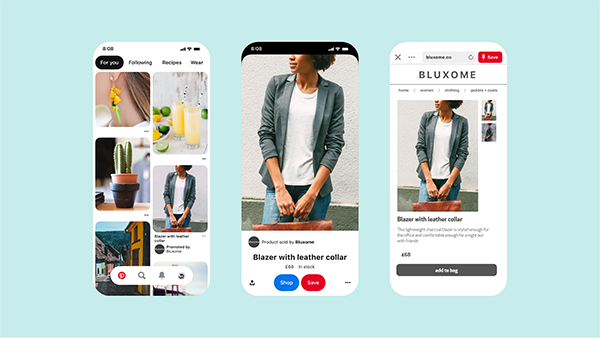
What differentiates GenZ from prior generations is that we have grown up in a world where technology is changing by the year. We have used social media to our advantage, especially in terms of purchasing products or familiarizing ourselves with brands. According to a Forbes article, 95% or GenZ consumers use social media as their top source of shopping inspiration; 65% use social media to find entertaining content; and 61% are specifically interested in watching more video content. The most common social commerce platforms for GenZ are Instagram, TikTok, and Pinterest. These apps are leading the way because of their easy checkout process, limited distractions, and ability to explore other recommended brands. Also, many members of GenZ will purposefully like and follow appealing brands so the algorithm will recommend similar brands.

Brands Have to Speak Up

Another thing about GenZ is that most of us are unafraid to take a stand about issues that matter to us. Especially in light of the coronavirus pandemic and black lives matter movement upwards of 78% of GenZ’ers have said that these events have shaped their worldview. Brands remaining neutral on these issues are no longer an option. GenZ’ers are becoming more and more reluctant to purchase from brands who do not present a stance on major world events. Additionally 79% of GenZ agreed that companies behaving more sustainably has become more important since the pandemic. This generation has an attitude that can change the world for the better and want brands to do the same.

New GenZ Marketing Strategies

GenZ kids are more receptive to video media and get their product recommendations from different places. Social media influencers have played a huge role in marketing and GenZ are very receptive to this tactic. Influencers will show off their favorite products routinely on social media and because they have built trust with their audiences, Generation Z’ers are more likely to purchase a product if a trusted influencer recommends it. Also, a brands social media aesthetic and presence are crucial. I can attest to the fact that a brands Instagram feed/aesthetic is one of the main attention grabbers for me which ultimately could lead to me following or purchasing from them.

Brand aesthetic and cohesive Instagram feed that appeals to GenZ

The Change Upon Us

Businesses will have to adjust their marketing campaign tactics if they want to keep up with GenZ. They demand more from businesses in terms of usability, online presence, and advocation. Social media is playing a bigger role than ever before and change is definitely upon us.